
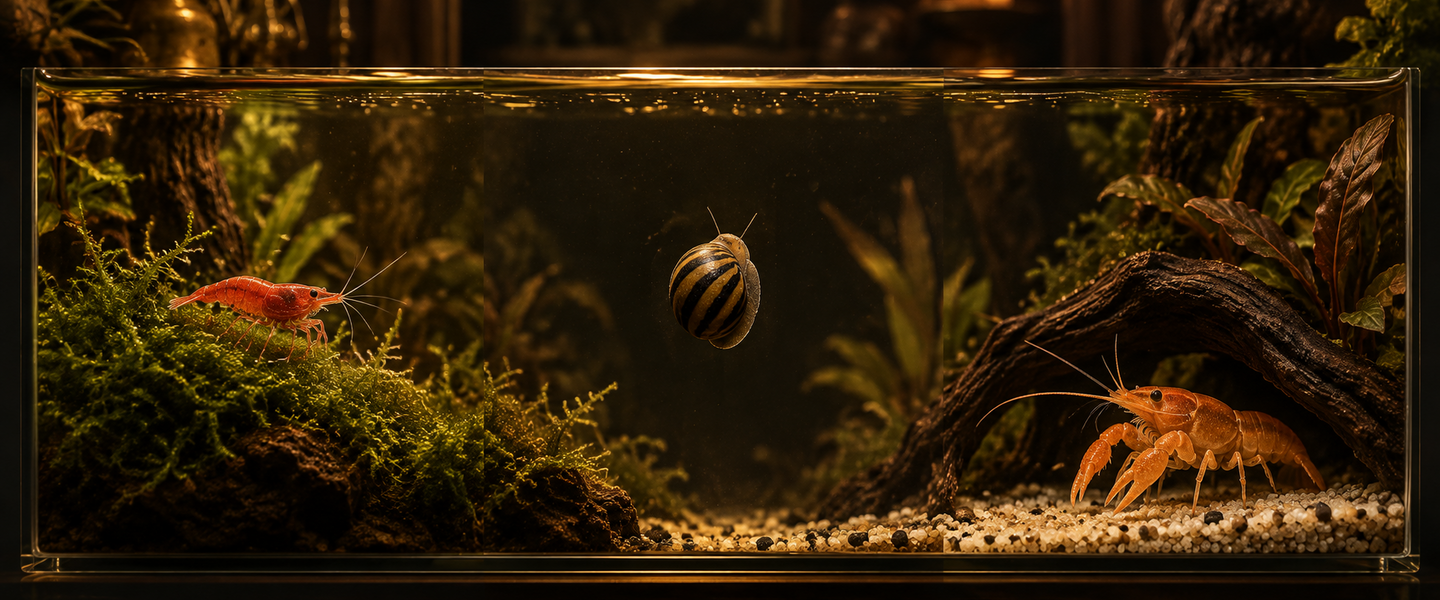
Freshwater Aquarium Creatures: 12 Best Non-Fish Pets
The 12 best freshwater aquarium creatures beyond fish: shrimp, snails, dwarf crayfish, frogs and crabs, with tank sizes, care, and what to avoid.
The 12 best freshwater aquarium creatures beyond fish: shrimp, snails, dwarf crayfish, frogs and crabs, with tank sizes, care, and what to avoid.
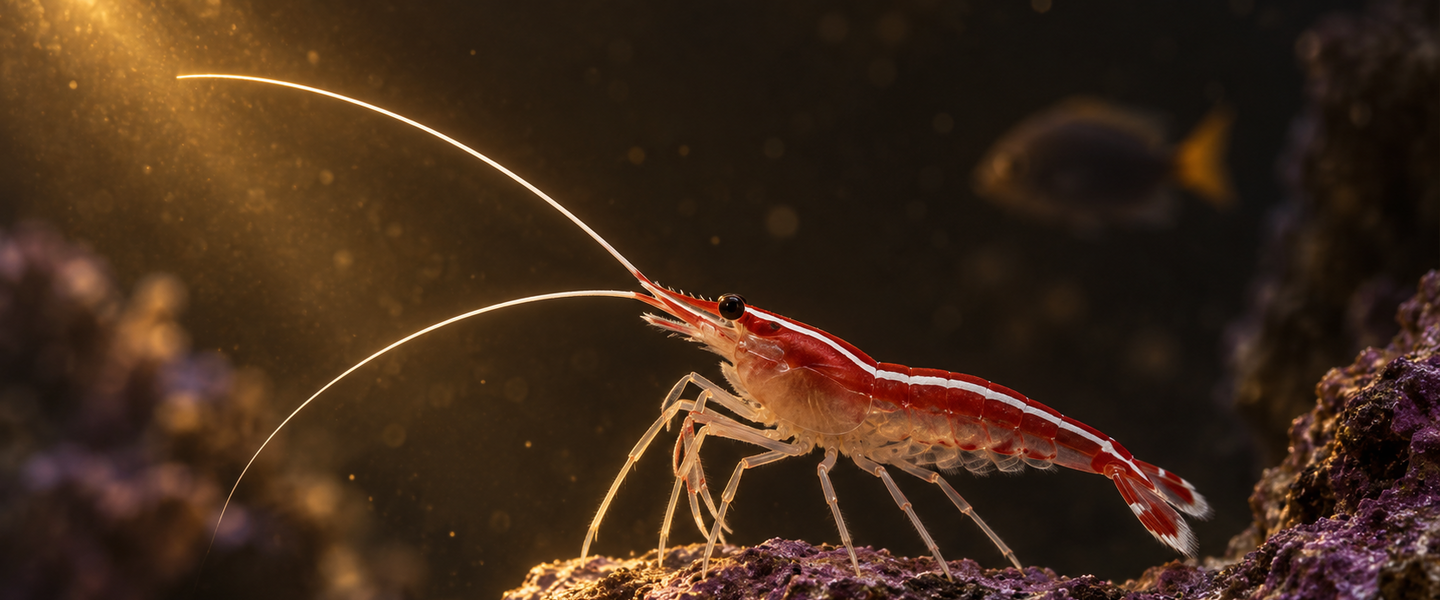
The 7 best reef aquarium shrimp: cleaner, peppermint, fire, sexy, pistol and more, with tank sizes, reef safety, and the copper and molting rules.
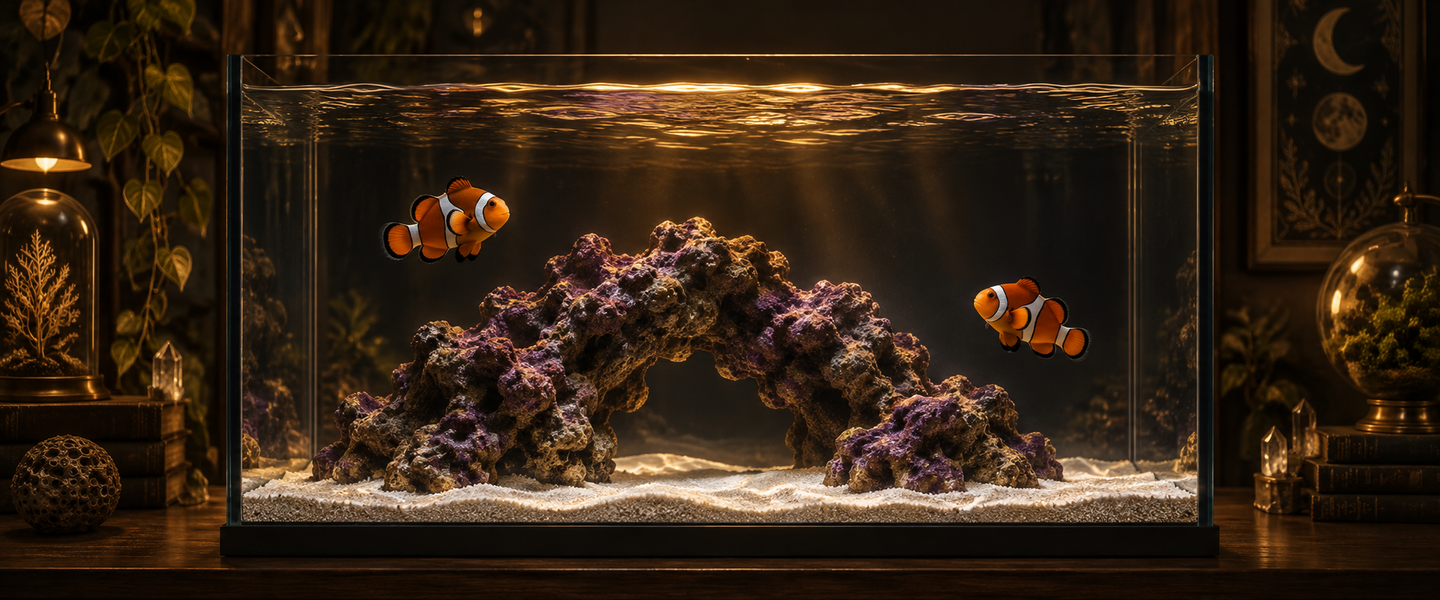
Set up your first marine tank in 9 easy steps: tank size, equipment, salt mixing, cycling, first fish, and the snail and shrimp cleanup crew.

Micro shrimp for nano tanks: 7 tiny freshwater species from cherry to crystal red, sized and ranked, plus the 2-5 gallon colony blueprint.
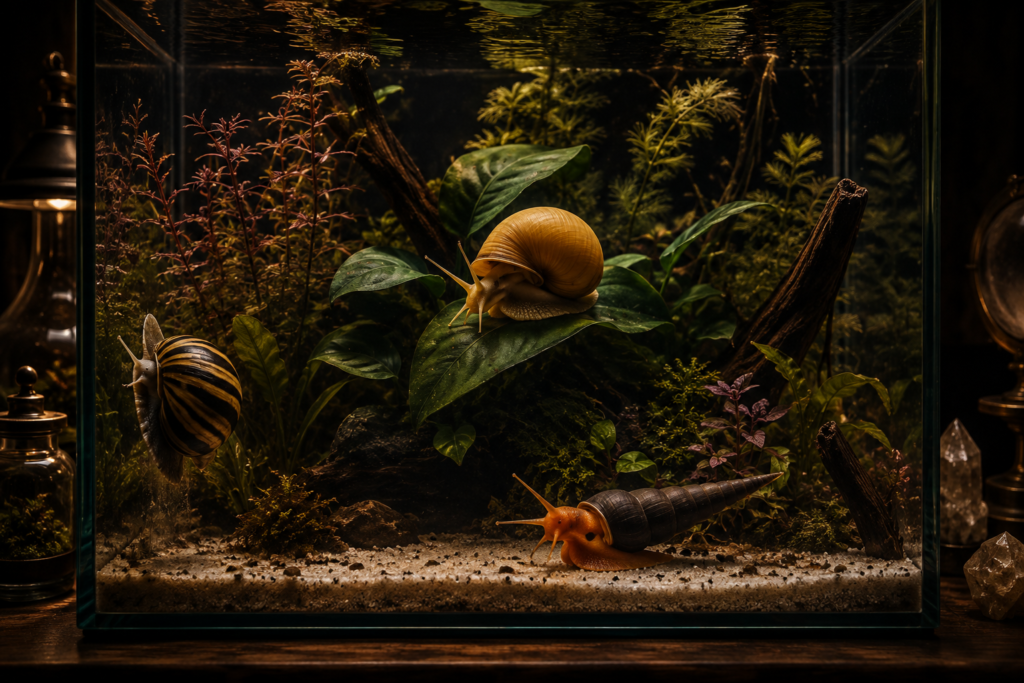
The 7 good snails for aquarium cleanup crews, with tank sizes and care, plus the 3 pest species you should never add on purpose.
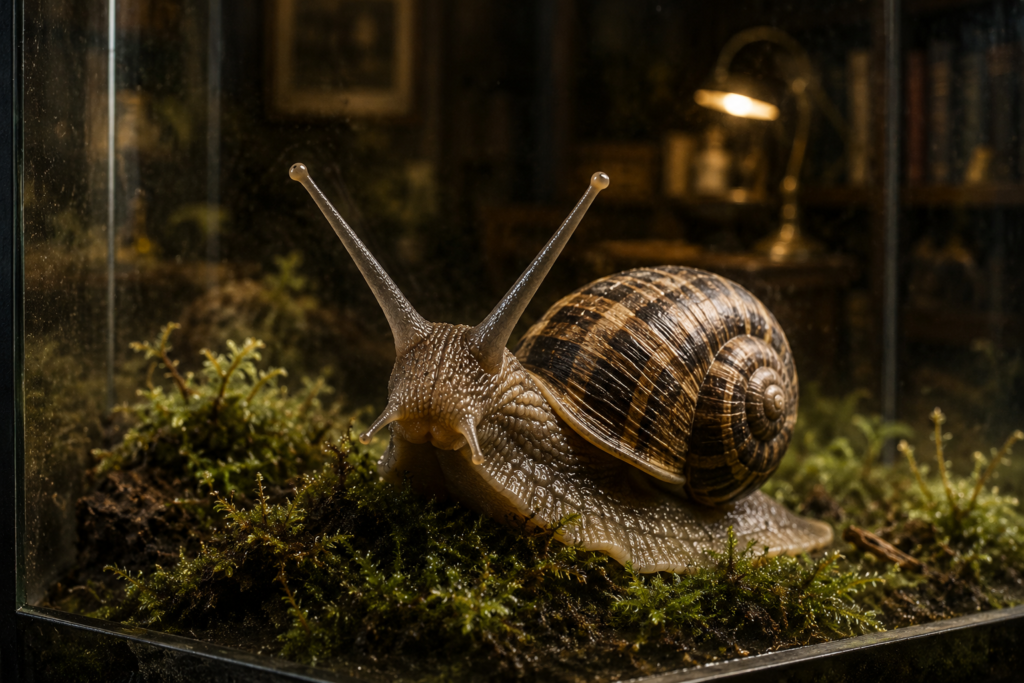
Thinking about a pet land snail? Legal species in the US, enclosure setup, humidity, calcium, diet, and handling, from a keeper.
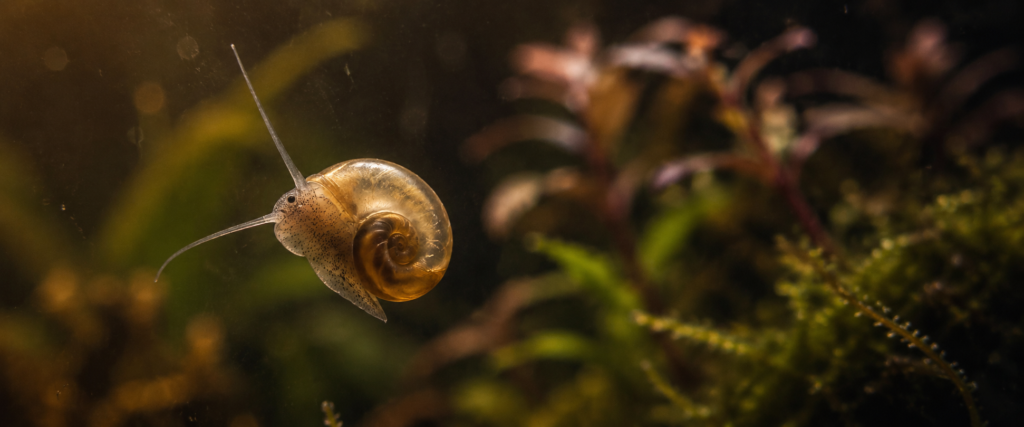
Found a tiny snail in aquarium glass or gravel? Identify bladder, pond, ramshorn, and trumpet snails fast, and decide keep or remove.
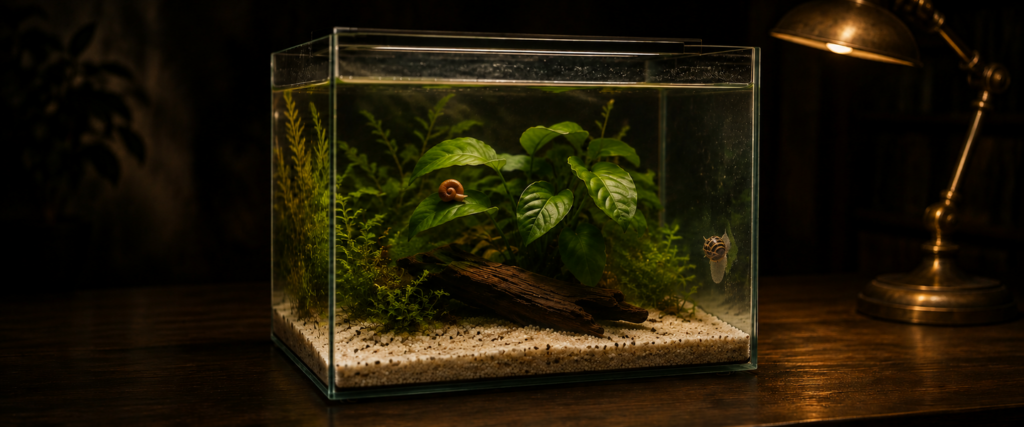
Building a small snail aquarium? The 6 best tiny snails for nano tanks – nerite, ramshorn, trumpet and more – with care and population control.
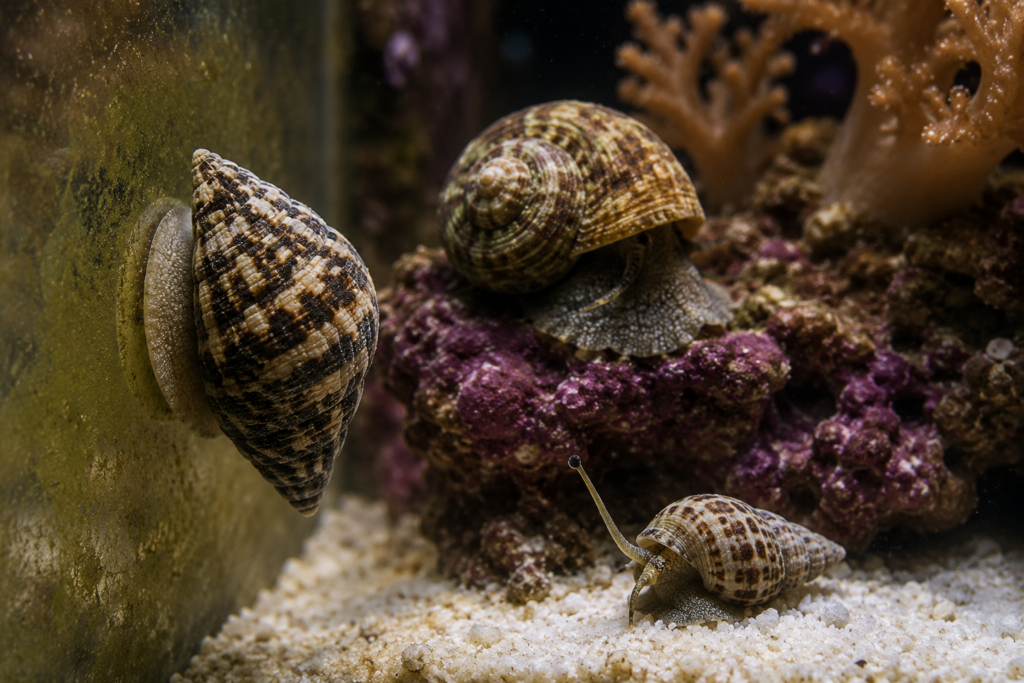
The 7 best reef tank snails for your cleanup crew: trochus, cerith, nassarius, astraea and more, with stocking numbers and care that works.
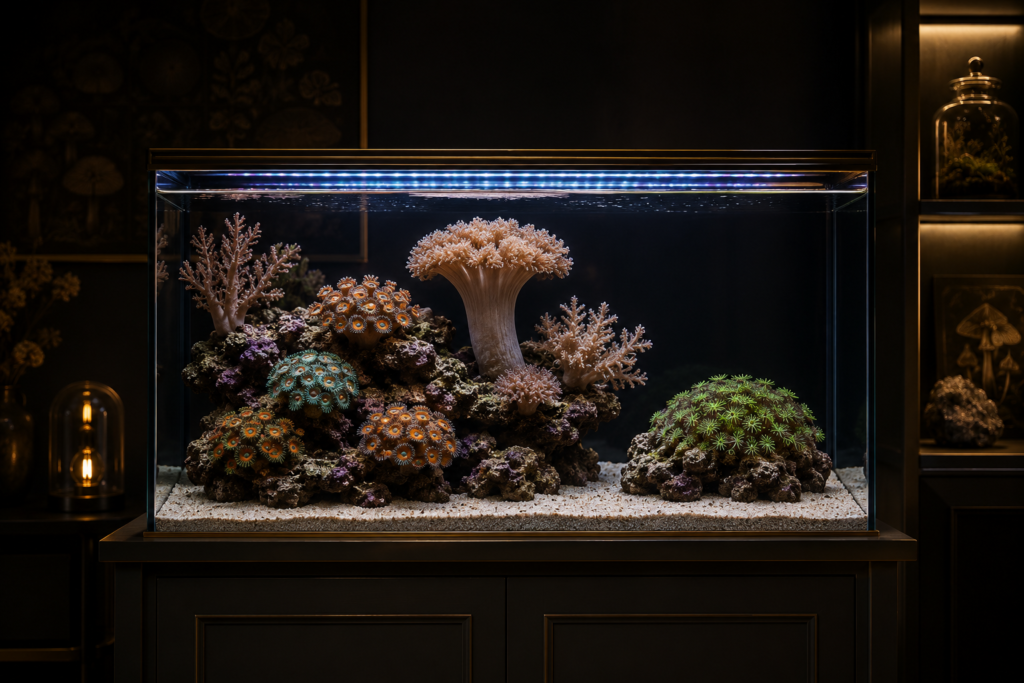
Your first coral reef tank, step by step: tank size, equipment, cycling, the water parameters that matter, and the beginner corals that survive.