
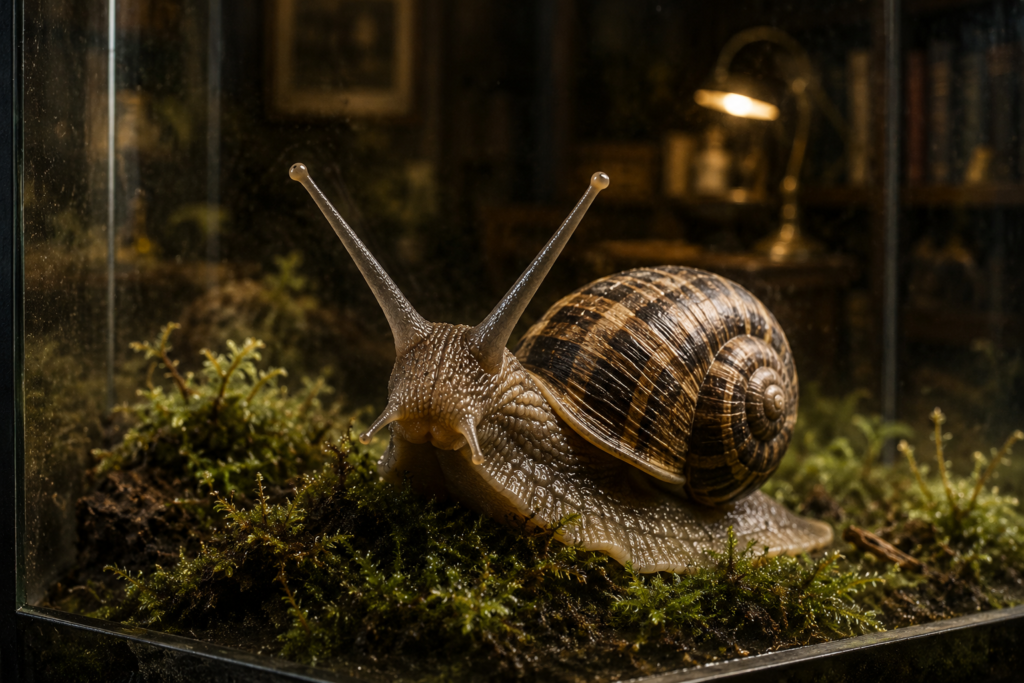
Pet Land Snail Care: The Complete Beginner’s Guide
Thinking about a pet land snail? Legal species in the US, enclosure setup, humidity, calcium, diet, and handling, from a keeper.
Whether you’re a proud pet parent, a curious animal lover, or just dipping your toes into the world of furry (and not-so-furry) companions, you’re in the right place! Our Pets category is your cozy hub for heartwarming stories, expert tips, and practical guides on caring for the little creatures who bring big joy into our lives.
Thinking about a pet land snail? Legal species in the US, enclosure setup, humidity, calcium, diet, and handling, from a keeper.
The best substrates for invertebrate enclosures: coco fiber, sphagnum moss, topsoil, leaf litter, bioactive and arid mixes — how to match substrate to your pet and what to avoid.
The best beginner invertebrates — jumping spiders, isopods, docile tarantulas, mantises, hissing cockroaches and millipedes — with why each is easy and what you need to start.
How often to feed invertebrates by pet type and age, plus the four factors that change feeding frequency: age, temperature, body condition, and molting.
A scannable invertebrate feeding chart: what to feed jumping spiders, tarantulas, mantises, isopods and more, how often, prey size, gut-loading, and supplements.
How to tell a healthy invertebrate from a sick one: the four problems behind most deaths, warning signs, sick-vs-molting, the recovery-cup first aid method, and prevention.
A clear, practical guide to invertebrate molting — pre-molt signs, what to do (and never do) during a molt, post-molt recovery, and how to handle a stuck molt.
How to raise moths from caterpillars to adults — the best beginner species (luna, polyphemus, cecropia), rearing setup, feeding, cocoons, and ethical sourcing.