
This post contains affiliate links. If you purchase through our links, we may earn a small commission at no extra cost to you. See our Affiliate Disclosure for details.
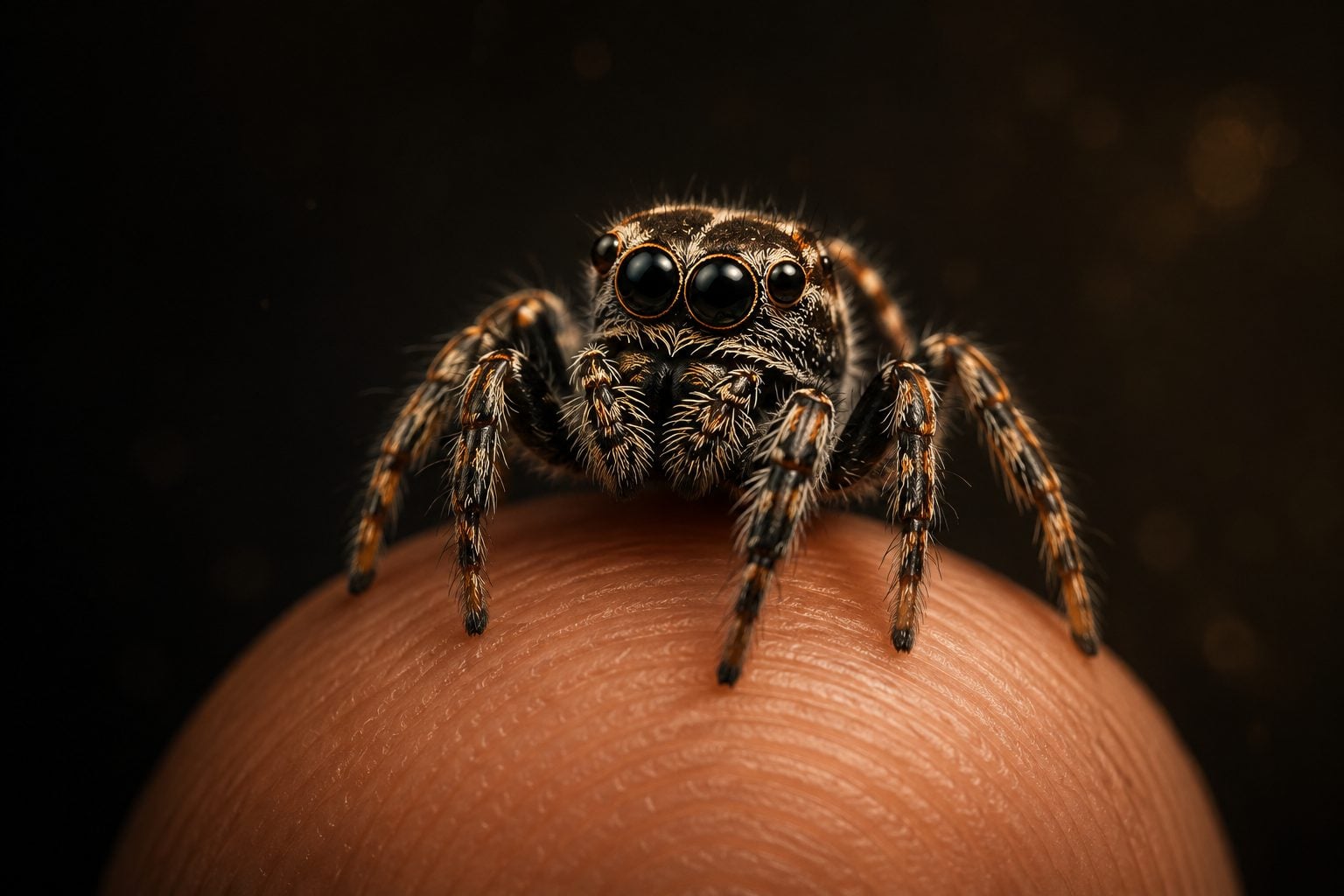
Adorable. Curious. Surprisingly intelligent. Welcome to the world of jumping spiders—nature’s tiny acrobats and the perfect pint-sized pet for arachnid aficionados and first-timers alike.
If you’ve ever thought about keeping a pet that doesn’t need daily walks, enjoys a good hunt, and might even learn to recognize you—then meet the Salticidae family, better known as jumping spiders. They’re fast becoming the Internet’s favorite pet spiders, and for good reason.
In this blog, we’ll explore everything you need to know about jumping spiders as pets—how to care for them, what they eat, where to find them, and why they’re such an unexpected joy to keep.

Why Jumping Spiders Make Great Pets
The Beginner Jumping Spider Kit
If you’re setting up your first spider, this is the whole list. Nothing fancy, nothing you’ll outgrow in a month.
- EctoTherm jumping spider enclosure — front-opening, escape-proof, and sized right for an adult
- Magnetic hanging water dispenser — the one thing most beginners skip, and the one they regret skipping
- Exo Terra mini mister — a light misting beats a water bowl your spider can drown in
Despite being spiders, jumping spiders have shattered the stereotype of being creepy and aloof. They’re interactive, inquisitive, and even a little bit charming.
Here’s why they’re so popular:
- Small and Low Maintenance – No massive terrariums or heating setups required.
- Smart and Curious – They observe you, learn patterns, and even recognize movements.
- Incredible Hunters – Watching them stalk prey is like a live nature documentary.
- Budget-Friendly – You can get started without a big investment.
- No Web Nuisance – They don’t spin messy webs like other spiders.
They’re perfect for anyone who loves exotic pets but doesn’t want the commitment of a dog or the space needs of reptiles.
Understanding Jumping Spider Behavior
Jumping spiders don’t just walk—they leap. Using hydraulic pressure, they can jump up to 50 times their body length to catch prey or explore.
But what truly sets them apart is their vision and awareness. Jumping spiders have eight eyes, with two huge, forward-facing ones that give them binocular vision. They use it to:
- Track movement
- Analyze threats
- Even watch you watching them
They tend to be solitary and territorial but are also incredibly aware of their environment. Many keepers report their spiders watching them as they move about the room.
Popular Jumping Spider Species
While there are over 6,000 known species of jumping spiders, a few are especially popular with pet owners:
Phidippus regius (Regal Jumping Spider)
- Known for their bold colors and calm personalities.
- Males often have stunning iridescent green or blue chelicerae.
Phidippus audax (Bold Jumping Spider)
- Black with white spots and vibrant green mouthparts.
- Known for being hardy and beginner-friendly.
Hyllus diardi
- One of the largest jumping spiders, making them very expressive.
- Native to Southeast Asia; admired for their fluffy appearance.
Menemerus bivittatus
- Common house dwellers in warmer climates.
- Small, fast, and fun to watch.
No matter the species, each jumping spider has a unique personality.
Our pick
the magnetic water dispenser — hangs on the wall so it can’t be tipped or drowned in
Housing Your Jumping Spider
Ideal Enclosure
You don’t need a massive tank for your eight-legged friend. A 4″ x 4″ x 6″ enclosure is plenty for most species.
Must-Have Features:
- Ventilation – Prevent mold and provide fresh air.
- Vertical space – Jumping spiders love to climb.
- Natural décor – Use twigs, bark, and fake leaves for enrichment.
Avoid using deep, smooth containers they can’t climb out of. Jumpers love vertical surfaces like mesh or textured plastic.
Recommended: EctoTherm Jumping Spider Enclosure — a roomy, well-ventilated acrylic habitat with 360° visibility. Orient branches and decor vertically inside — jumpers love to climb.
Substrate
Use:
- Coconut fiber
- Moss
- Paper towel (easy cleaning)
Avoid:
- Sand or soil that retains too much moisture or harbors mites.
The Beginner Jumping Spider Kit
If you’re setting up your first spider, this is the whole list. Nothing fancy, nothing you’ll outgrow in a month.
- EctoTherm jumping spider enclosure — front-opening, escape-proof, and sized right for an adult
- Magnetic hanging water dispenser — the one thing most beginners skip, and the one they regret skipping
- Exo Terra mini mister — a light misting beats a water bowl your spider can drown in
Lighting and Temperature
- Room temperature (68°F–78°F) is usually ideal.
- Natural daylight is sufficient—no need for heat lamps.
- Simple digital thermometer
Recommended: Exo Terra Mini Mister Spray Bottle — a gentle fine mist for the daily humidity routine — one light spray on the enclosure wall gives your spider a place to drink.
Feeding and Nutrition
Jumping spiders are carnivorous and love live prey. In captivity, feed them:
- Flightless fruit flies (Drosophila) – Perfect for slings and small spiders.
- Pinhead crickets – Great for adults.
- Small mealworms or waxworms – Occasional treat only.
Our pick
a magnetic temp & humidity monitor — takes the guesswork out of “is it too dry in there?”
Feeding Tips:
- Feed 2–3 times per week.
- Remove uneaten prey after 24 hours.
- A hungry spider will stalk and pounce—watching it hunt is half the fun!
They also need water. A misting every 2–3 days is enough. They’ll drink dew droplets from the enclosure walls or plants. You can also invest in a micro water dispenser.
Handling and Bonding
Yes, you can handle a jumping spider—but on their terms.
Start with these tips:
- Gently place your hand near them and allow them to climb on.
- Avoid grabbing or nudging them.
- Keep handling sessions short (5–10 minutes).
Our pick
these little mushroom perches — cheap enrichment, and they photograph beautifully
Bonding looks different from a dog or cat—but you might be surprised. Regular interactions can make them more comfortable with your presence. Some even learn to leap onto their owner’s hands voluntarily!
Where to Buy or Find a Jumping Spider
Ethically Sourcing Your Spider
Jumping spiders can often be found in your backyard, especially during warm months. Look on:
- Sunny walls
- Garden fences
- Windowsills
You can also buy captive-bred spiders from:
- Exotic pet stores
- Online breeders
- Arachnid hobbyist groups on Facebook or Reddit
Make sure to check local wildlife laws if you’re in a protected area or importing.
Common Mistakes to Avoid
- Too Much Humidity – They don’t need rainforest-level moisture.
- Feeding Large Prey – Can injure or stress the spider.
- Unsecured Enclosure – Jumping spiders are escape artists!
- Neglecting Enrichment – Bored spiders may become lethargic or stressed.
- Handling Too Soon – Let your spider acclimate to its new home.
These small creatures are sensitive to environmental changes. A clean, stable setup with minimal disruption is key to keeping them healthy.
Is a Jumping Spider Right for You?
Great fit for you if:
- You enjoy observing tiny, intelligent creatures.
- You want a pet with low space and care needs.
- You’re okay with feeding live insects.
Maybe not the best choice if:
- You’re afraid of spiders (though many arachnophobes overcome their fear with jumpers!)
- You want a pet that thrives on touch or cuddles.
- You’re not comfortable handling bugs.
The Beginner Jumping Spider Kit
If you’re setting up your first spider, this is the whole list. Nothing fancy, nothing you’ll outgrow in a month.
- EctoTherm jumping spider enclosure — front-opening, escape-proof, and sized right for an adult
- Magnetic hanging water dispenser — the one thing most beginners skip, and the one they regret skipping
- Exo Terra mini mister — a light misting beats a water bowl your spider can drown in
Jumping spiders don’t live long—most species only live 1–2 years—but in that time, they can bring a surprising amount of joy.
Ready to set up? Our complete jumping spider supplies guide walks through the full starter checklist in one place.
Final Thoughts
Keeping a jumping spider is like watching a mini wildlife documentary unfold in your own room. These tiny predators are agile, observant, and full of personality. Best of all, they ask for little, give a lot, and help you slow down and marvel at the smaller things in life.
So if you’re looking for a pet that defies expectations and opens your eyes to the beauty of the miniature world—give a jumping spider a home. You might just find yourself looking forward to that next little leap.
Like this post?
Share it on social or drop a comment below. Want more beginner-friendly exotic pet care guides? Subscribe to our newsletter and never miss a crawl-worthy tip again.
meep meep